Buying from Japan · checked 2026-11-09Buying matcha
from Japan
Short answer: matcha and other green tea from Japan pay no US duty in 2026. Green tea has a free regular duty and is on the list of products excluded from the 12.5% rate on goods of Japan. What you still pay for is shipping and, because tea is food, the shop has to file an FDA prior notice before it arrives. Prices themselves have risen: Kyoto’s Ippodo Tea announced new specifications and prices for October–November 2026 after two years of short supply.
 Landed cost of matcha from Japan
With no duty, the cost is the tea, shipping and any fee. A tin of matcha is light, so most of the extra is the fixed part: at an example ¥3,240 for one tin (the shop price, which includes Japan’s 8% tax on food), 0.3 kg packed (EMS ¥3,900), 160 yen per dollar and a $17.50 customs fee, the landed total from a shop that ships abroad comes to about $61. Three tins in one 0.6 kg box (EMS ¥4,180) come to about $33 each.
 Why matcha is duty free
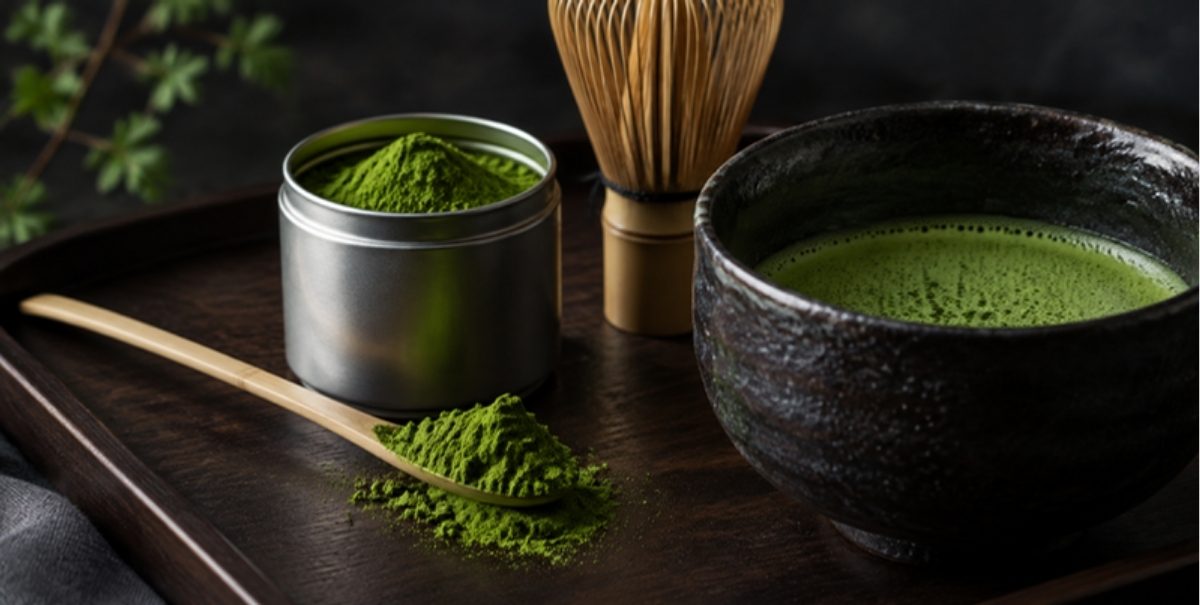
Matcha is powdered green tea, and green tea in packings of up to 3 kg falls under HTS 0902.10. The plain kind (0902.10.90) has a free regular duty. The 12.5% rate on goods of Japan would normally top that up, but U.S. note 52(b) to Chapter 99 lists products excluded from the additional duty, and every green and black tea line (0902.10 to 0902.40) is on it. One exception within tea: flavored green tea (0902.10.10) carries a 6.4% regular duty, which still applies. Sweetened latte mixes may be classified as food preparations rather than tea, with a different rate.
 FDA prior notice: the one step that can’t be skipped
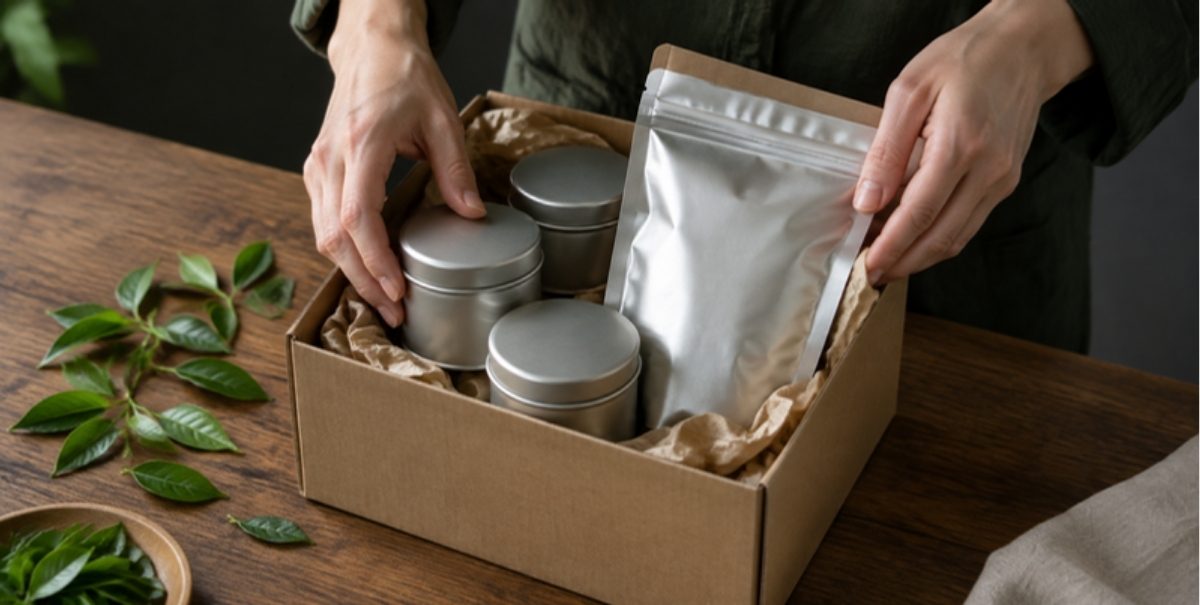
The US Food and Drug Administration requires a prior notice for food imported into the United States, and its rule says in so many words that this includes food for gifts (21 CFR 1.277). Only two everyday cases are outside it: food you carry in your own baggage for your personal use, and food made by an individual at home and sent as a personal gift. Matcha bought from a shop is neither. The notice can be submitted by any person who knows the required information (21 CFR 1.278), so tea shops that sell to the US file it with the shipment. Food that arrives without an adequate prior notice can be refused (21 CFR 1.283). A courier shipment is then held at the port. A parcel sent by international mail, such as EMS, is held for 72 hours for FDA inspection and, if refused, may be sent back marked “No Prior Notice—FDA Refused”, or destroyed if there is no return address. If you buy through a proxy service, ask before you order whether it handles food to the US.
 Why matcha costs more than it used to
Ippodo Tea, the Kyoto tea merchant, laid out the reasons in a notice to customers. Demand for matcha surged worldwide from around 2024, but tea is a farm crop: new fields can be planted, yet it takes about five years before their leaves can be harvested. In 2025 there was not enough tea to meet demand. In 2026 growers shifted even more of the same tea plants toward matcha, so production of gyokuro, sencha and everyday bancha dropped, and Ippodo limited purchases of bancha from February 2026. Matcha output rose, but demand stayed strong, and the company announced new product specifications and prices for October and November 2026. If you see an unusually cheap “ceremonial” matcha, check who made it and when it was packed.
Making tea with Japanese water kettles and teapots? Cast iron pays the 12.5% Japan rate: see cast-iron teapots from Japan, or compare every item on the import cost calculator.
Frequently asked questions
- Is there US import duty on matcha from Japan?
- No, as of November 9, 2026. Green tea in packings of up to 3 kg (HTS 0902.10.90) has a free regular duty, and green tea is on the list of products excluded from the additional duty on goods of Japan (U.S. note 52(b) to Chapter 99), so the 12.5% Japan rate does not apply. Flavored green tea (0902.10.10) has a 6.4% regular duty and is also on the excluded list, so it pays 6.4%.
- Do I need to file FDA prior notice for matcha I order from Japan?
- Prior notice is required for food imported into the United States, including food sent as a gift (21 CFR 1.277). The exceptions are food you carry in your own baggage for personal use and food made at home and sent by an individual as a personal gift. The notice can be submitted by any person who knows the required information (21 CFR 1.278), which in practice is the shop or its shipping service. Ask a proxy service whether it files it before you order tea through one.
- Why is matcha more expensive in 2026?
- Ippodo Tea, the Kyoto tea merchant, explains that matcha demand surged from around 2024, that new tea fields take about five years before leaves can be harvested, and that 2025 production could not meet demand. In 2026 production shifted further toward matcha, and Ippodo announced new specifications and prices for October and November 2026.
Sources
- Ippodo Tea: Oct./Nov. 2026 revisions to product specifications and pricing (September 1, 2026)
- 21 CFR 1.278: who may submit prior notice
- 21 CFR 1.283: food imported without adequate prior notice
- USITC HTS Chapter 99, U.S. note 52 (Japan: 9903.05.48–.49; (k) the 12.5% total; (b) excluded products incl. green tea; (f) steel and derivatives) — Revision 22, 2026
- USITC HTS, headings 9903.05.20–9903.05.99 (Japan rows and exclusions, incl. 9903.05.92 informational materials)
- USITC HTS, 0902.10 (green tea)
- Japan Post: EMS rate schedule, all zones (Zone 4 = U.S.)
- Japan Post: US-bound mail accepted at virtually all post offices from October 15, 2026 (advance registration and prepaid duty up to USD 2,500)
- Buyee: fees and payments
- ZenMarket: fees
- Neokyo: fees
- National Tax Agency (Japan): consumption tax exemption for exports
- 21 CFR 1.277: scope of FDA prior notice for imported food
Checked November 9, 2026. Estimates only, not customs or regulatory advice.