Buying from Japan · checked 2026-11-09Japanese cast-iron
teapots from Japan
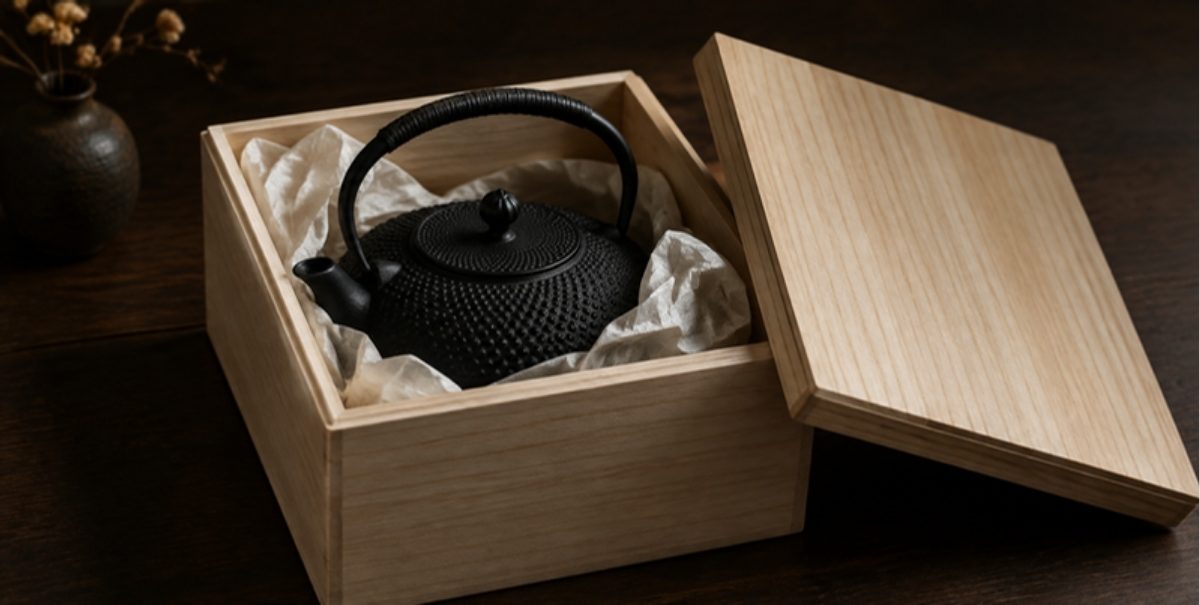
Short answer: a cast-iron teapot or kettle made in Japan pays 12.5% US duty. Cast-iron kitchenware is not on the US list of steel derivative articles, so the 25% steel tariff that hits kitchen knives does not apply. The cost to watch is weight: a teapot with its box and padding can weigh around 2 kg, and Japan Post’s EMS to the US is ¥7,900 for 2 kg.
 Landed cost of a teapot from Japan
Type the price as the Japanese shop shows it and the packed weight; shipping fills in from the EMS table. Put the weight from the shop’s listing if it gives one, and add a few hundred grams for the box.
 Duty: 12.5%, because cast iron is not on the steel list
Kitchenware of iron or steel sits in HTS heading 7323, split by material. Cast iron that is not enameled (7323.91.50) has a 5.3% regular duty and enameled cast iron (7323.92.00) is free; for goods of Japan both are topped up to 12.5% in total. The Section 232 list of derivative steel articles in U.S. note 16 does name several 7323 lines — steel wool (7323.10), stainless steel (7323.93), enameled iron or steel other than cast iron (7323.94) and other steel kitchenware (7323.99) — but not the two cast-iron lines. That is why a cast-iron teapot pays the Japan rate while a stainless pot from Japan would pay the steel tariff. A cast-iron kyusu with an enamel lining inside is still cast iron, so it falls under 7323.92 and also ends up at 12.5%.
 Kettle or teapot: check which one you are buying
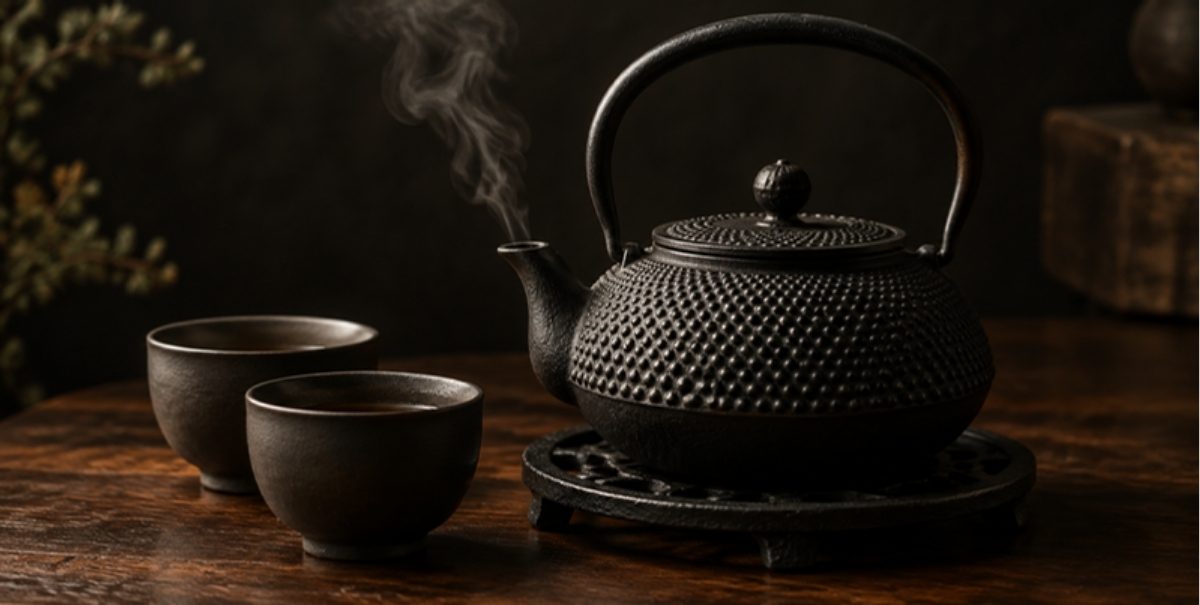
English listings often call both a “tetsubin”, but Japanese makers sell two different things. Iwachu, a maker of Nambu ironware in Morioka (it describes Nambu tekki as a tradition carried on there for over 400 years), lists iron kettles, for heating water and some of them labelled as induction compatible, separately from its kyusu, teapots for brewing. The duty is the same for both; what differs is how you use and care for them. A kettle is usually bare iron inside and goes on the stove, so it needs drying after each use to keep rust away. A kyusu usually has an enamel lining and a tea strainer and is not made for direct heat: you pour hot water into it. Read the maker’s instructions in the product description before you buy.
 Shipping: weigh it first
Example prices at 160 yen per dollar, from a shop that ships abroad (Japan’s tax removed), with Japan Post EMS and a $17.50 customs processing fee. For a teapot the shipping line is often several times the duty.
| Order | Item (before tax) | EMS shipping | US duty (12.5%) | Customs fee | Landed total |
|---|---|---|---|---|---|
| Small teapot (~1 kg packed) | $63 | $33 (¥5,300) | $8 | $17.50 | $121 |
| Teapot with trivet (~2 kg packed) | $125 | $49 (¥7,900) | $16 | $17.50 | $208 |
| Large kettle (~3 kg packed) | $187 | $64 (¥10,300) | $23 | $17.50 | $293 |
Tea to go with it is duty free: see buying matcha from Japan. Every other item, including the proxy route and a US-shop comparison, is on the import cost calculator.
Frequently asked questions
- What is the US duty on a Japanese cast-iron teapot?
- 12.5% in total for a teapot or kettle made in Japan, as of November 9, 2026. Unenameled cast-iron kitchenware (HTS 7323.91.50) has a 5.3% regular duty and enameled cast iron (7323.92.00) is free; the Japan rate tops both up to 12.5%.
- Why doesn’t the 25% steel tariff apply to cast-iron teapots?
- The Section 232 list of derivative steel articles in U.S. note 16 to Chapter 99 names steel kitchenware lines such as 7323.93 (stainless), 7323.94 (enameled iron or steel) and 7323.99, but not cast-iron kitchenware (7323.91 and 7323.92). So a cast-iron teapot pays the Japan rate rather than the steel tariff. US Customs decides the classification of each entry.
- What is the difference between a tetsubin and a cast-iron teapot?
- Japanese makers sell them as two products. Iwachu, a Nambu ironware maker in Morioka, lists iron kettles, for heating water, separately from its kyusu teapots, for brewing tea. A kettle usually goes on the stove and needs drying after use to keep rust away; a kyusu usually has an enamel lining and a strainer and is filled with hot water rather than heated. Check the product description to see which one you are buying and how the maker says to use it.
Sources
- Iwachu (Nambu ironware): official site, iron kettles and kyusu teapots
- USITC HTS Chapter 99, U.S. note 52 (Japan: 9903.05.48–.49; (k) the 12.5% total; (b) excluded products incl. green tea; (f) steel and derivatives) — Revision 22, 2026
- USITC HTS, headings 9903.05.20–9903.05.99 (Japan rows and exclusions, incl. 9903.05.92 informational materials)
- USITC HTS, 7323.91 (cast-iron kitchen articles)
- Japan Post: EMS rate schedule, all zones (Zone 4 = U.S.)
- Japan Post: US-bound mail accepted at virtually all post offices from October 15, 2026 (advance registration and prepaid duty up to USD 2,500)
- Buyee: fees and payments
- ZenMarket: fees
- Neokyo: fees
- National Tax Agency (Japan): consumption tax exemption for exports
- DHL Express (US): customs services and duty-tax processing fee
- USITC HTS Chapter 99, U.S. note 16 (knives under 8211.92 listed as derivative steel articles; Revision 22, 2026)
Checked November 9, 2026. Estimates only, not customs advice; US Customs and Border Protection decides the classification and duty for each entry.