BuyingHow to buy a
Japanese kitchen knife
In short: there are three ways to get a Japanese knife into a US kitchen. Order from a shop in Japan and pay about 31.1% US duty plus a carrier fee; buy it in person in Japan and bring it home in checked baggage under your personal exemption (usually $800); or buy from a US retailer, where the price already includes import costs and returns are easier. Decide on the shape, steel and handle first — the handle even changes the duty.
Guides
- Buying a Japanese knife from Japan (2026 guide) — the three ways to buy side by side, couriers and Japan Post, the TSA checked-baggage rule, the CBP personal exemption and Japan’s switch from tax-free shopping to a tax refund on November 1, 2026, with a checklist before you pay.
- US import duty calculator — the landed cost of an order from Japan, with worked examples.
Before you buy: four choices that matter
- Shape and length. For a first knife, Japanese makers point to a 180–210 mm gyuto or a 165–180 mm santoku. See all nine shapes in Japanese knife types.
- Steel. Carbon steels (Aogami, Shirogami) take a keen edge but rust if left wet; stainless steels (VG-10, SG2) forgive more. Compare them in the steel chart and the comparisons, and read knife care to see what each needs day to day.
- Handle. A wooden or other handle falls under HTS 8211.92.90.30 (about 31.1% in total), a rubber or plastic one under 8211.92.20.00 (about 29.6%).
- Bevel and hand. Traditional single-bevel knives are made for one hand; left-handed cooks need a left-handed version. See single-bevel vs double-bevel.
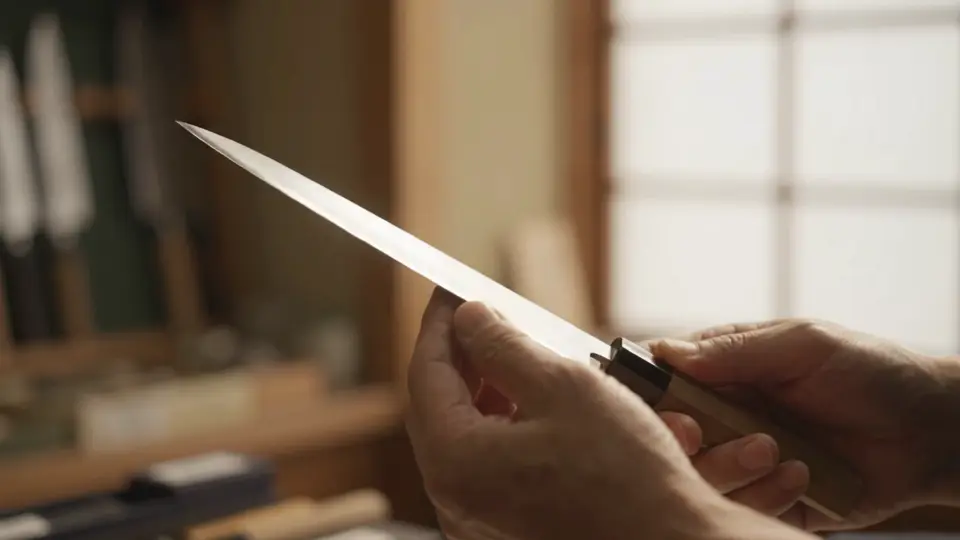
Ordering from Japan in 2026
Small parcels no longer enter the US duty-free: the $800 de minimis exemption has been suspended for courier shipments since June 24, 2026 and for postal shipments since July 24, 2026, so even one knife is dutiable. Couriers such as DHL, FedEx and UPS pay the duty for you and charge a processing fee, while Japan Post needs an advance declaration and prepaid duty for US-bound parcels. Exports from Japan are exempt from the 10% consumption tax, so check that the shop removes it at checkout.
Buying in Japan, or in Sakai
Knives travel in checked baggage only, sheathed or wrapped. From November 1, 2026 you pay the tax-inclusive price at a tax-free shop and get the consumption tax back after a customs check when you leave Japan, so finish that check before you check in your suitcase. If you want to see where knives are forged and sharpened, read the Sakai section first: the history of Sakai knives explains the split between smiths and sharpeners, and Japanese knife towns compared shows how Sakai differs from Seki, Echizen and Tsubame-Sanjo.