Visit Sakai · checked 2026-11-09Knife-making and sharpening
experiences in Sakai
In short: to take home a knife you finished yourself, book Wada Shoten (¥18,000, about 90 minutes, weekdays and Saturdays) or Sakai Tohji (¥18,150, weekdays). To watch a blade being forged, Enami Hamono’s blacksmith tour costs ¥3,000 (¥4,000 from January 2027). Sakai Denshokan’s sharpening demonstrations are free on Fridays and weekends. Book the workshops through the Sakai Tourism and Convention Bureau, 3–5 days ahead; three of them (Wada Shoten, Enami Hamono and the Sakai Takayuki tour) can be booked on its English page. Most run Monday to Friday and need at least two people. We do not sell or arrange tours.
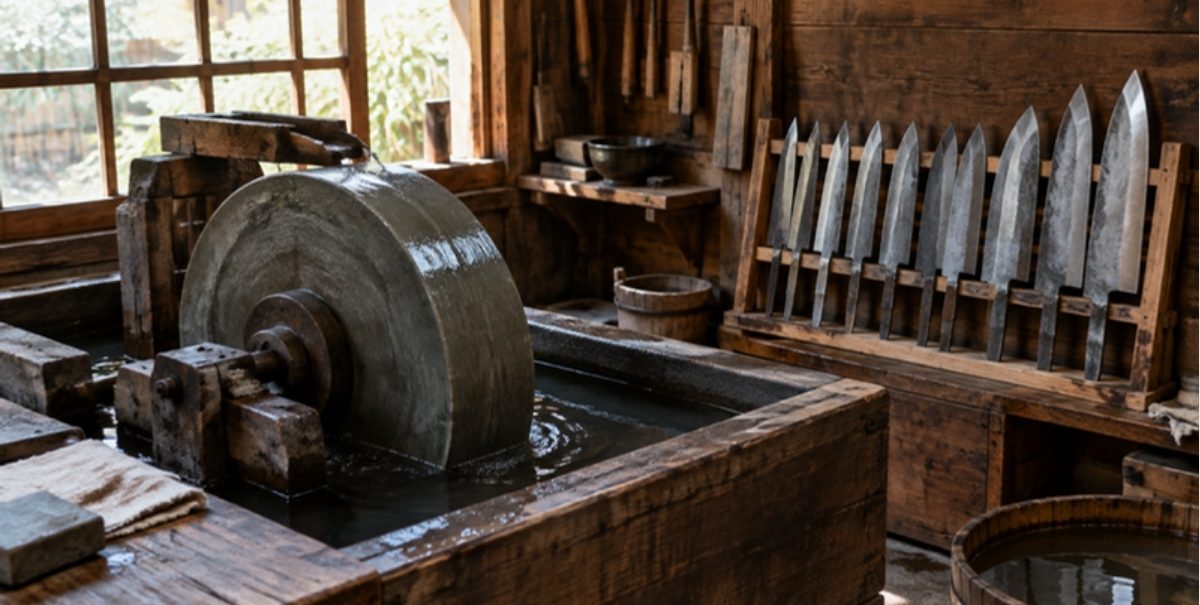
 The experiences side by side
Prices are per person, as the Sakai Tourism and Convention Bureau and each workshop list them on 2026-11-09. Most do not say whether tax is included. Walking times are from Sakai Denshokan, the knife museum most visitors start from (Google Maps walking routes).
| # | What you do | Price | Time | Days | English | Walk from Denshokan |
|---|---|---|---|---|---|---|
| 1 | Finish your own knife: sharpen it and fit the handleWada Shoten · 和田商店 | ¥18,000; ¥32,000 with an interpreter | 90 min | Mon–Sat (the English page adds Sundays) | Interpreter plan; book in English | 250 m, 4 min |
| 2 | “My hōchō”: fit and straighten a knife, then engrave your nameIzumi Riki Seisakusho (Sakai Tohji) · 和泉利器製作所(堺刀司) | ¥18,150, knife included | 90 min | Mon–Fri, not holidays | Not stated for the tour | 420 m, 6 min |
| 3 | Watch a blacksmith forge a blade, and strike the steelEnami Hamono · 榎並刃物製作所 | ¥3,000 (¥4,000 from 2027); you pay for at least 5 | 45 min | Mon–Fri, start 10:00–15:00 | Short staff explanation: ¥6,000 (¥8,000 from 2027) | 580 m, 8 min |
| 4 | Watch an edge being set, then test how it cutsBaba Hamono · 馬場刃物製作所 | ¥4,000 | 60 min | Mon–Fri, 10:00 · 13:00 · 15:00 | Not stated | 640 m, 9 min |
| 5 | Factory tour: forging and grinding, then a gallery of about 500 knivesSakai Takayuki (Aoki Hamono) · 堺孝行(青木刃物製作所) | ¥4,000; ¥22,000 with a tour-only knife | 130 min | Set dates (next: Thu Nov 26, 2026) | Free interpreter; book in English | Meets at the Knife Gallery, 180 m (about 2 min) |
| 6 | Free sharpening demonstrations at the knife museumSakai Denshokan · 堺伝匠館 | Free | Drop in | Fri 13:30–15:00; Sat–Sun 11:00–12:00, 13:00–15:00 | Not stated | — |
| 7 | Look into a working knife shop’s workshopJikko, Sakai main store · 實光 堺本店 | Free | Drop in | Mon–Sat | Not stated | 670 m, 9 min |
| — | English sharpening class in Osaka (Namba), not SakaiSakai Ichimonji Mitsuhide, Sennichimae Doguyasuji · 堺一文字光秀(千日前道具屋筋) | ¥2,000 (30 min) to ¥7,000 | 30 min | Mon–Wed; some weekends | Yes (English, Spanish) | 200 m (about 3 min) from Nankai Namba Station |
The numbers in the first column match the map below. The last row is in Namba, central Osaka, not in Sakai. Mon–Fri means not on Japanese public holidays. Full details, cancellation rules and booking links for each are under details worth knowing.
- Sakai Tohji¥18,150 · 90 min
- Wada Shoten¥18,000 · 90 min
- Baba Hamono¥4,000 · 60 min
- Sakai Takayuki Gallery¥4,000 · 130 min
- Enami Hamono¥3,000 · 45 min
- Ichimonji Mitsuhide¥2,000 · 30 min
 Which one fits your trip

You want a knife you finished
Wada Shoten (1) — you sharpen and fit the handle of a deba, sashimi knife or santoku, with a craftsman’s tour of the knife museum first. Runs on Saturdays too. Sakai Tohji (2) is the weekday alternative, with your name engraved.

You want to see steel forged
Enami Hamono (3) — 45 minutes at the forge, cheap per head but charged for five people. The Sakai Takayuki tour (5) drives you to its factory, then shows a gallery of about 500 knives; it runs on a few set dates a year, from one person.

You want to learn to sharpen
The class at Sakai Ichimonji Mitsuhide in Namba is taught in English, from ¥2,000 for 30 minutes, and you can walk in Monday to Wednesday. In Sakai, watch Baba Hamono’s edge-setter (4) or the free demonstrations at Denshokan (6).

You only have a weekend
Saturday: Wada Shoten’s 10:00, 13:00 or 15:00 session. Saturday and Sunday: Denshokan’s free re-sharpening demonstrations, then a bowl of matcha at Sakai Rishonomori. Most workshops are closed.
- ForgingA blacksmith hammers the steel into a blade.Enami Hamono (3) · Sakai Takayuki tour (5)
- Grinding and edge-settingA separate sharpener grinds the blade and puts on the edge.Baba Hamono (4) · Sakai Takayuki tour (5) · Denshokan demonstrations (6)
- Handle fittingThe blade is fitted into a wooden handle and straightened.Wada Shoten (1) · Sakai Tohji (2)
- The shopKnives are sold, often with your name carved on the blade.Jikko (7) · Denshokan shop
 Where they are
The workshops sit within a 10-minute walk of each other along the Hankai tram, between Myōkokuji-mae and Ayanochō stops. From Namba, take the Nankai Main Line to Sakai Station (about 10 minutes by express) and walk about 15 minutes; once in Sakai, the Hankai tram links the stops on the map. Our visitor’s guide has the walking routes and opening days of the museums.
- 1Wada Shoten
- 2Sakai Tohji
- 3Enami Hamono
- 4Baba Hamono
- 5Sakai Takayuki Gallery
- 6Sakai Denshokan
- 7Jikko
- 8Yamaguchi House
 Book direct, or through a tour site?
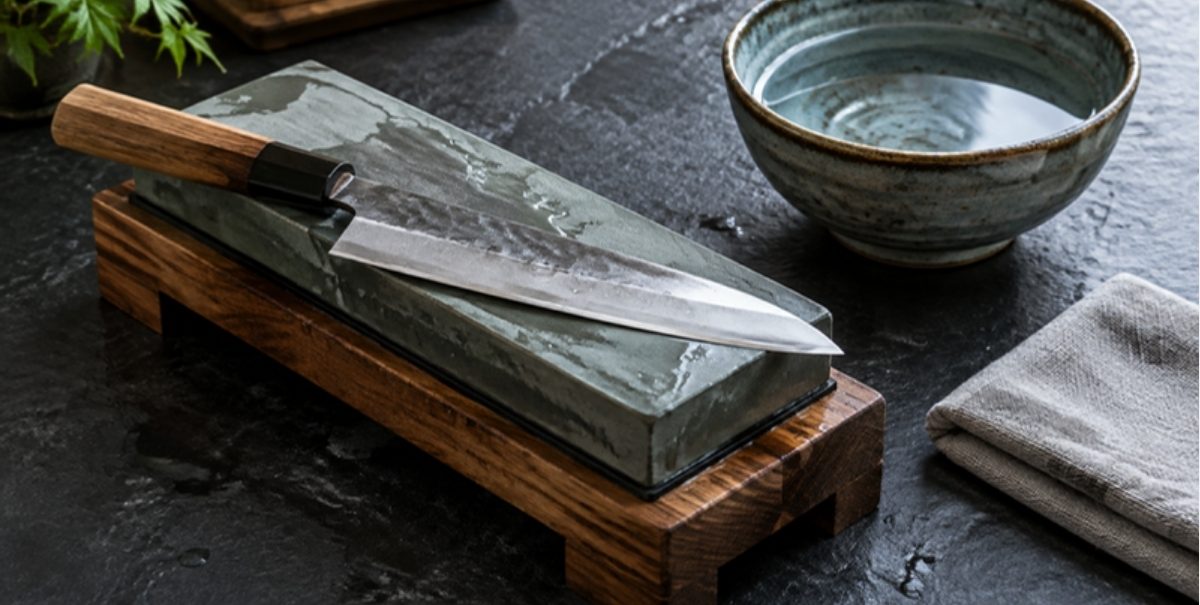
The Sakai Tourism and Convention Bureau takes bookings for most workshops on this page, in Japanese and, for several, through an English page. International booking sites such as GetYourGuide, Viator, Klook and Airbnb also list Sakai knife experiences. Many of those bundle a workshop like the ones above with an English-speaking guide and travel from Osaka, so the listing price covers more than the workshop fee. Compare what each price includes before you choose.
| Bureau or workshop | International booking site | |
|---|---|---|
| Price | The workshop’s own price, as in the table above | Often higher; may include a guide, transport or the knife |
| Language | Mostly Japanese; some have interpreter plans or English pages | Usually an English-speaking guide |
| Cancellation | Each workshop’s rules: Wada Shoten is free up to 28 days before and 80% from 5 days; Enami Hamono charges 50% the day before; Baba Hamono and the Sakai Takayuki tour keep a 6% handling fee on refunds | The site’s own policy, shown before you pay |
| Check before booking | Minimum group size, weekday-only days, how many days ahead | Who runs it, which workshop you visit, whether a knife is included, where you meet |
We could not read the experience pages on GetYourGuide, Viator and Klook when we checked, so we do not quote their prices.
 Two ways to spend a day
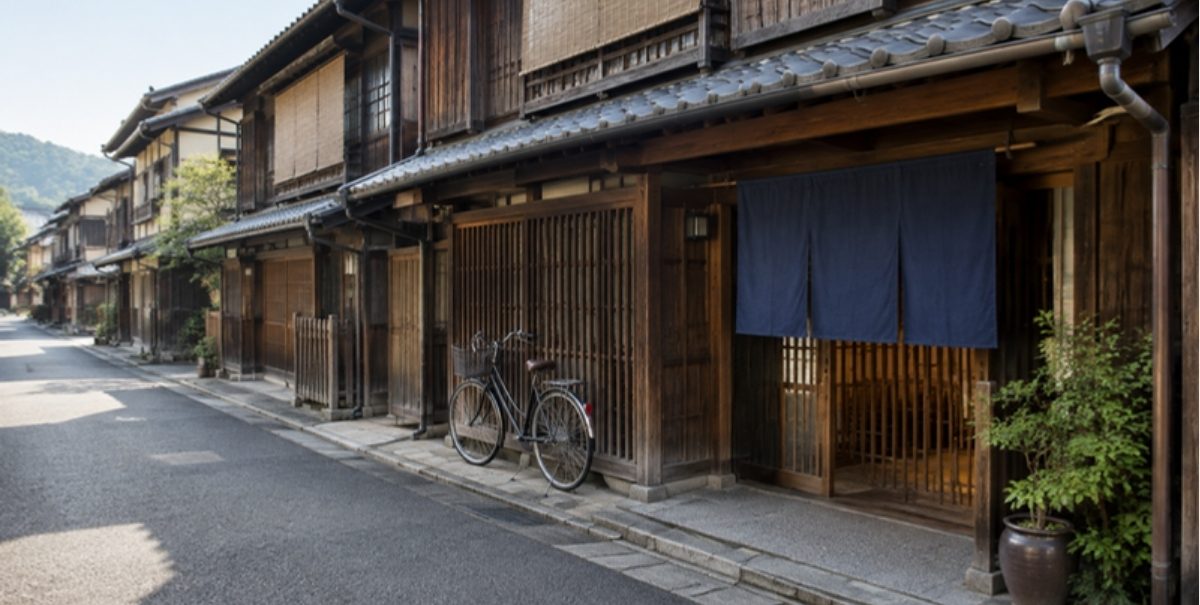
A weekday
- 10:00 Enami Hamono’s forging tour (45 min), booked 3 days ahead.
- 11:00 Walk to Jikko (280 m, about 4 minutes) and look into the workshop and showroom.
- 13:00 Wada Shoten: finish your own knife, starting with the knife museum (about 90 min; one booking page lists 2½ hours with the museum, so leave room).
- 15:00 Sakai Rishonomori for matcha (tea served until 16:40): the tram from Shinmeichō to Shukuin, or a 1.3 km walk (about 20 minutes).
A Saturday
- 10:00 Wada Shoten’s morning session, booked 5 days ahead: the knife museum with a craftsman, then finish your own knife (about 90 min).
- 12:00 Lunch in the old town.
- 13:00 Back at Sakai Denshokan for the free re-sharpening demonstration (13:00–15:00), or leave your own knife with the re-sharpening service (from ¥1,600). The shop sells knives from Sakai workshops.
- 15:30 Sakai Rishonomori: museums on Sen no Rikyū and Yosano Akiko (¥300) and a bowl of matcha (¥800).
Sakai Denshokan and Sakai Rishonomori both close on the third Tuesday of each month; check the opening-day tool before you go.
 Other Sakai crafts you can try
Sakai’s other traditional industries include incense and dyed cotton towels. These run through the same bureau or the maker’s own booking page. The bureau’s English page also lists shamisen lessons, matcha grinding at a tea shop and mini tatami making.
Make matcha incense in a merchant’s house8
Old Yamaguchi Family Residence (bureau tour). Press incense in a wooden mould, then warm it over ash. Book a week ahead; 2–10 people; an interpreter plan is available.
Tie-dye a tenugui cotton towel
Kadono Sarashi-zome workshop, Nishi-ku. Snowflake shibori dyeing; you take the towel home the same day. Booking only, 2 people or more; cancel at least 3 days ahead by phone or the contact form. Outside the old town, in Tsukuno (Nishi-ku).
A bowl of matcha at a chair-seated tea table
Sakai Rishonomori. No booking for individuals, several sittings from 10:00 to 16:40. A full tea-room lesson (¥1,000) is held only on the third Sunday, booked online.
 Details worth knowing before you book
- 1. Wada Shoten — You meet at Wada Shoten and walk 3–4 minutes to Sakai Denshokan, where a craftsman shows you the knife museum; back at the shop, he guides you as you sharpen a blade and fit its handle. You choose a deba, a sashimi knife or a santoku, and take it home. Price: ¥18,000 per person; with an English interpreter ¥32,000. Time: About 90 min. Days: Weekdays at 13:00 and 15:00; Saturdays at 10:00, 13:00 and 15:00. The bureau’s English page gives the weekend times for Saturdays and Sundays, so ask if you want a Sunday. English: Interpreter plan (¥32,000 per person); bookable in English. Group: 2–6 people (one person on request). Nearest stop: Meet at Wada Shoten; Shinmeichō tram stop, 1–2 min. Cancellation: Free up to 28 days before; 30% from 15 days, 50% from 10 days, 80% from 5 days, 100% from 4 days before. Book: English page · Japanese page — In English: “BOOK HERE” on the bureau’s English page. In Japanese: through Wada Shoten’s own site, linked from the bureau. At least 5 days ahead.
- 2. Izumi Riki Seisakusho (Sakai Tohji) — Includes the company’s knife history museum. Course A: fit the handle of a santoku or right-handed usuba and straighten it, then engrave your name. Two other courses make a name keyring, or sharpen the small edge of a petty knife. Price: ¥18,150 per person, including the knife or keyring you make. Time: About 90 min (up to 30 min longer for larger groups). Days: Monday to Friday, not on Japanese public holidays. English: The bureau lists the shop as English-speaking; the tour page does not say. Group: 2–10 people. Nearest stop: Shinmeichō tram stop, 1 min. Book: booking page — Sakai Tourism and Convention Bureau booking system, at least 3 days ahead.
- 3. Enami Hamono — A certified traditional craftsman forges in front of you. One or two people can heat the steel at the forge and strike it with the smith; then the blade is shaped and trimmed. Price: ¥3,000 per person to December 2026, ¥4,000 from January 2027. Fewer than five people pay for five: two people pay ¥15,000 in total (¥20,000 from 2027). Time: About 45 min. Days: Monday to Friday, not on public holidays; start any time from 10:00 to 15:00. Closed for spring, summer and New Year breaks. English: With a short English explanation by the workshop’s staff (not a professional interpreter): ¥6,000 per person, ¥8,000 from 2027, on the bureau’s Japanese page. The English page lists ¥4,000 plus ¥8,000 per person for an interpreter. Group: Up to 10; no preschool children. Nearest stop: Shinmeichō tram stop, about 4 min. Cancellation: 50% the day before, 100% on the day. Book: English page · Japanese page — In English: “BOOK HERE” on the bureau’s English page (dates from January 2027). In Japanese: the bureau’s form. At least 3 days ahead.
- 4. Baba Hamono — An edge-setting craftsman (hatsuke-shi) sharpens Japanese knives at the wheel in an open workshop; you try the finished edge, and can buy a knife afterwards. Price: ¥4,000 per person (booking fee included). Time: About 60 min. Days: Monday to Friday at 10:00, 13:00 and 15:00, not on public holidays. Closed over New Year, Golden Week and in summer. English: Not stated. Group: 2–6 people. Nearest stop: Myōkokuji-mae tram stop, about 10 min. Cancellation: A handling fee of 6% of the amount paid is kept on refunds, on top of any cancellation charge. Book: booking page — Sakai Tourism and Convention Bureau booking system (Japanese), at least 3 days ahead.
- 5. Sakai Takayuki (Aoki Hamono) — Meet at the Sakai Takayuki Knife Gallery at 12:50; the company drives you to its Sanpou factory to watch forging and rough grinding, then back to the gallery of about 500 knives (with a drink) and a short sharpening lesson if you want one. Price: ¥4,000 per person; ¥22,000 including a 240 mm meat slicer (VG10 steel, walnut handle) sold only on this tour. Time: About 2 hours (12:50 to about 15:00; the English page says 1 h 30 min from 13:00). Days: Set dates: in 2026, the Thursdays February 26, May 28, August 27 and November 26. The English page says it runs on an irregular basis, so check the dates when you book. English: Free English interpreter, according to the bureau’s English page. Group: From one person; ages 11 and up. Nearest stop: Myōkokuji-mae tram stop. Cancellation: A 6% handling fee on refunds, on top of any cancellation charge. Book: English page · Japanese page — In English: “BOOK HERE” on the bureau’s English page. In Japanese: the bureau’s booking page. At least 3 days ahead.
- 6. Sakai Denshokan — On Fridays a craftsman sharpens knives in front of you; at the weekend you watch knives that visitors have brought in being re-sharpened. The museum posts cancellations on its website. Paid hands-on events run now and then, such as a choose-your-knife making day on November 23, 2026 (¥10,000 including tax). Price: Free; re-sharpening your own knife from ¥1,600. Time: Drop in (Fridays 13:30–15:00; weekends 11:00–12:00 and 13:00–15:00). Days: Sharpening: Fridays 13:30–15:00. Re-sharpening: Saturdays and Sundays 11:00–12:00 and 13:00–15:00. English: Not stated on the museum’s site. Nearest stop: Myōkokuji-mae tram stop, 3 min. Book: booking page — No booking for the demonstrations.
- 7. Jikko, Sakai main store — Knives are made on the ground floor and you can watch through the shop; the second-floor showroom has more than 100 kinds. Names can be hand-carved (up to 3 characters) on a knife you buy. Price: Free to look; no program. Time: Drop in. Days: Mon–Fri 10:00–18:00, Sat 10:00–16:00; closed Sundays and holidays. English: Not stated. Nearest stop: Ayanochō tram stop, 1 min. Book: booking page — No booking listed.
- Sakai Ichimonji Mitsuhide, Sennichimae Doguyasuji — A shop that sells Sakai-made knives, with a sharpening lesson on whetstones. Names are engraved free on knives bought there. Price: Short class ¥2,000; 1-hour class ¥5,000; one-on-one ¥5,000–7,000 (tax included, not tax-free). Time: 30 min (short class) or 1 hour. Days: Booked online for Tuesdays and Wednesdays; walk-ins Monday to Wednesday (some weekends). Classes start at 10:00 and end by 14:00; none on holidays. English: Taught in English or Spanish. Nearest stop: —. Book: booking page — Online, or walk in for the short class.
- Prices that disagree — the bureau, its English page and the Osaka Convention & Tourism Bureau list some of these at different prices or lengths (for example, Wada Shoten at ¥17,250 and 2½ hours on the Osaka page). The price on the page where you actually book is the one you pay.
- Taking the knife home — knives go in checked baggage, never in your carry-on. See taking a knife home from Japan for the airport and tax-refund steps.
Frequently asked questions
- Can I make my own knife in Sakai?
- Yes, but you finish a knife rather than forge one from raw steel. At Wada Shoten (¥18,000, about 90 minutes) you sharpen a blade and fit its handle under a craftsman, and take the knife home; at Sakai Tohji (¥18,150, weekdays only) you fit and straighten a knife and engrave your name. At Enami Hamono (¥3,000, ¥4,000 from January 2027) you can heat the steel and strike it with the smith, but you do not take a blade home. Prices are from the Sakai Tourism and Convention Bureau, checked November 9, 2026.
- Are Sakai knife workshops in English?
- Some are. Wada Shoten has a plan with an English interpreter (¥32,000 per person). The bureau’s English page says the Sakai Takayuki factory tour has a free English interpreter on site. Enami Hamono offers a short English explanation by its staff for ¥6,000 per person (¥8,000 from 2027). Wada Shoten, Enami Hamono and the Sakai Takayuki tour can be booked on the bureau’s English page; the others book through Japanese pages, so ask about English when you book. In central Osaka, Sakai Ichimonji Mitsuhide in Namba teaches sharpening in English or Spanish from ¥2,000.
- Can I do a Sakai knife experience on a weekend?
- Most workshops run on weekdays only. Wada Shoten also runs sessions on Saturdays at 10:00, 13:00 and 15:00. Sakai Denshokan holds free re-sharpening demonstrations on Saturdays and Sundays (11:00–12:00 and 13:00–15:00) and a sharpening demonstration on Fridays (13:30–15:00), and posts cancellations on its website.
- How far ahead do I need to book?
- Through the Sakai Tourism and Convention Bureau: at least 5 days ahead for Wada Shoten, 3 days for Sakai Tohji, Enami Hamono, Baba Hamono and the Sakai Takayuki tour, and a week for the incense workshop. Most need at least two people, and Enami Hamono charges for at least five; the Sakai Takayuki tour runs from one person. Wada Shoten charges nothing if you cancel 28 days or more ahead, rising to 100% from four days before.
Sources
- Sakai Tourism and Convention Bureau: experience plans and tours (list, in Japanese)
- Sakai Tourism and Convention Bureau: Sakai knife experiences in English (booking)
- Bureau: Wada Shoten knife-making experience (price, times, group size, booking deadline)
- Wada Shoten official site
- Bureau: “My hōchō” with Sakai Tohji (courses, price, weekdays only)
- Bureau: Enami Hamono blacksmith workshop tour (prices before and after January 2027, minimum charge)
- Bureau: Baba Hamono edge-setting workshop and cutting test
- Bureau: Sakai Takayuki factory tour (2026 dates, price, tour-only knife)
- Sakai Denshokan: sharpening and re-sharpening demonstrations, re-sharpening service (in Japanese)
- Sakai Denshokan: events (paid hands-on events)
- Jikko: Sakai main store (workshop, showroom, hours)
- Jikko: name engraving
- Sakai Ichimonji Mitsuhide: knife sharpening classes (prices, days, languages)
- Sakai Ichimonji Mitsuhide: store guide (address, hours)
- Bureau: matcha incense making at the Old Yamaguchi Family Residence
- Kadono Sarashi-zome workshop: courses and booking (in Japanese)
- Sakai Rishonomori: tea experiences (in Japanese)
- Osaka Convention & Tourism Bureau: Japanese knife-making experience in Sakai (booking page)
- Google Maps: places, and walking distances and times from Sakai Denshokan (checked 2026-11-09)
Checked 2026-11-09. Prices, days and booking rules change, and workshops close for holidays not listed in advance. Book on the official page and confirm the details there. We have not taken these experiences ourselves, and SAKAI EDGE does not sell or arrange tours.